Choosing between custom vs prefab closets isn’t just about price. It’s about durability, craftsmanship, and how well your storage performs over time.
For homeowners who value high-quality materials, premium hardware, and seamless built-in design, understanding the real differences between modular and custom systems is essential before making an investment.
Custom vs Prefab Closets Comparison: The Key Differences
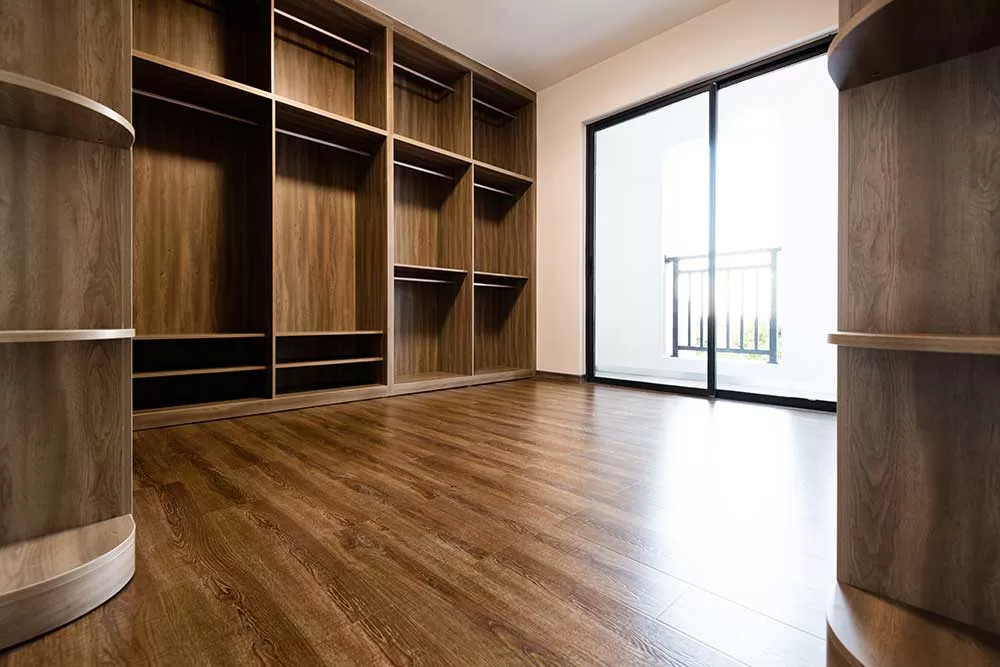
Prefab closets are modular systems manufactured in standardized sizes. They’re designed to fit most spaces, not your exact space. Installation is often DIY or handled quickly, which can limit structural integrity.
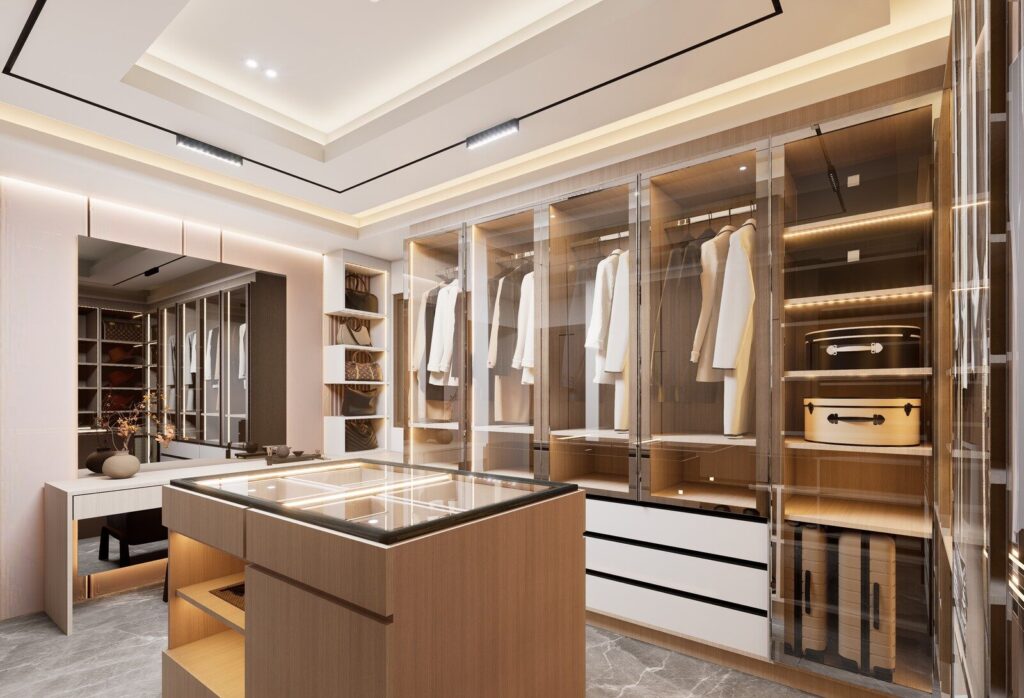
Custom closets are built-in solutions designed around precise measurements. Every panel, shelf, and drawer is fabricated to integrate seamlessly into your room. The result is a closet that feels architectural rather than added on.
Material Quality and Structural Integrity
Prefab systems commonly use thinner composite materials that may sag or shift over time. Wider shelves and heavily loaded hanging sections are especially prone to wear.
Custom systems use thicker, cabinet-grade materials engineered for real wardrobe loads. Panels are securely anchored, shelving is reinforced, and the overall structure is designed for long-term stability. Material quality directly affects lifespan.
Premium Hardware Quality
Hardware is one of the biggest performance differences.
Prefab closets typically use standard drawer slides and lightweight hinges that can loosen with frequent use.
Custom closets incorporate premium hardware quality components such as soft-close drawer slides, concealed hinges, and reinforced rods built for daily durability and smoother operation.
Built-In vs Modular Closets: Design Flexibility
Modular systems are limited by preset dimensions. Gaps at ceilings, unused corners, and inefficient vertical space are common compromises.
Custom closets are designed to maximize every inch. Features like shoe walls, valet rods, accessory drawers, and integrated lighting can be incorporated without limitation. Customization eliminates wasted space and improves organization.
Custom Closet Durability Over Time
Short-term savings can lead to long-term replacement.
Prefab closets may show visible wear within several years, particularly in high-use areas.
Custom closet durability comes from reinforced materials and professional installation. Properly built systems maintain alignment, structural integrity, and appearance for years to come.

Aesthetic Integration and Home Value
Prefab systems are functional but rarely seamless. Visible seams and unfinished gaps can detract from the overall look.
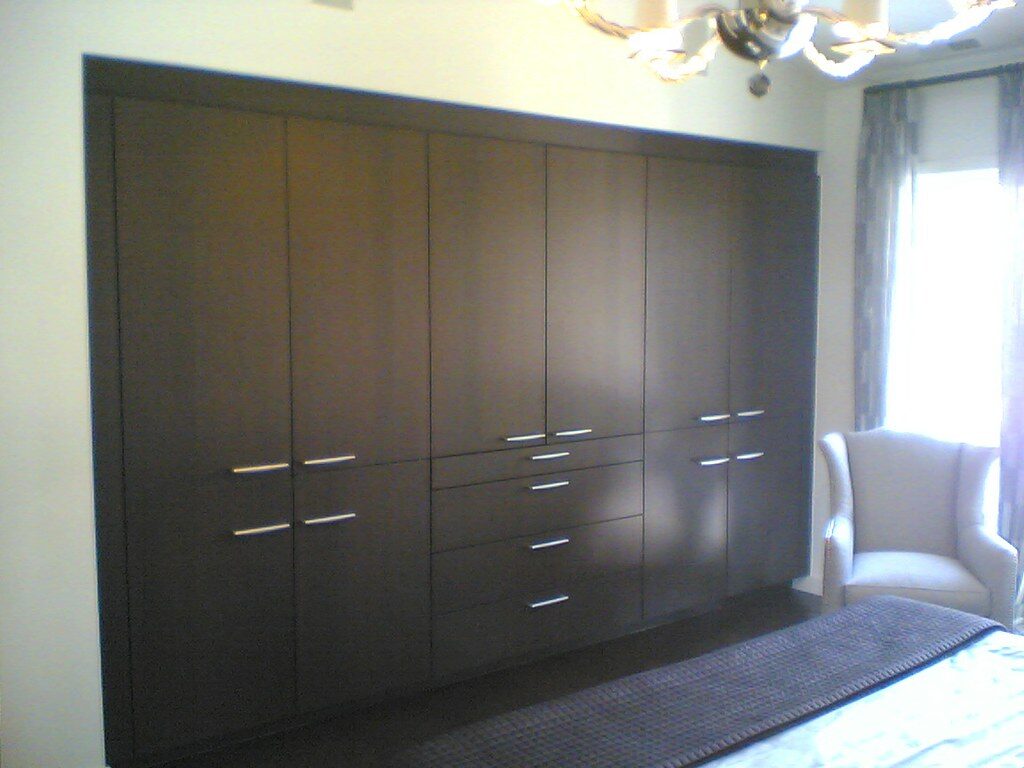
Custom built-ins create clean lines and architectural cohesion. They elevate the room and enhance perceived home value, especially in higher-end properties.
Cost: Upfront Expense vs Long-Term Investment
Prefab closets cost less initially and may suit temporary living situations or rental properties.
Custom closets require a larger upfront investment but deliver longer lifespan, greater functionality, and elevated design. When viewed over time, the cost difference often narrows.
Final Verdict: Which Closet System Is Right for You?
If short-term affordability is the priority, prefab closets can meet basic needs.
If durability, premium hardware quality, seamless design, and long-term value matter most, custom built-ins are the stronger investment.
The right choice depends on how long you plan to stay and how much quality matters in your everyday living.