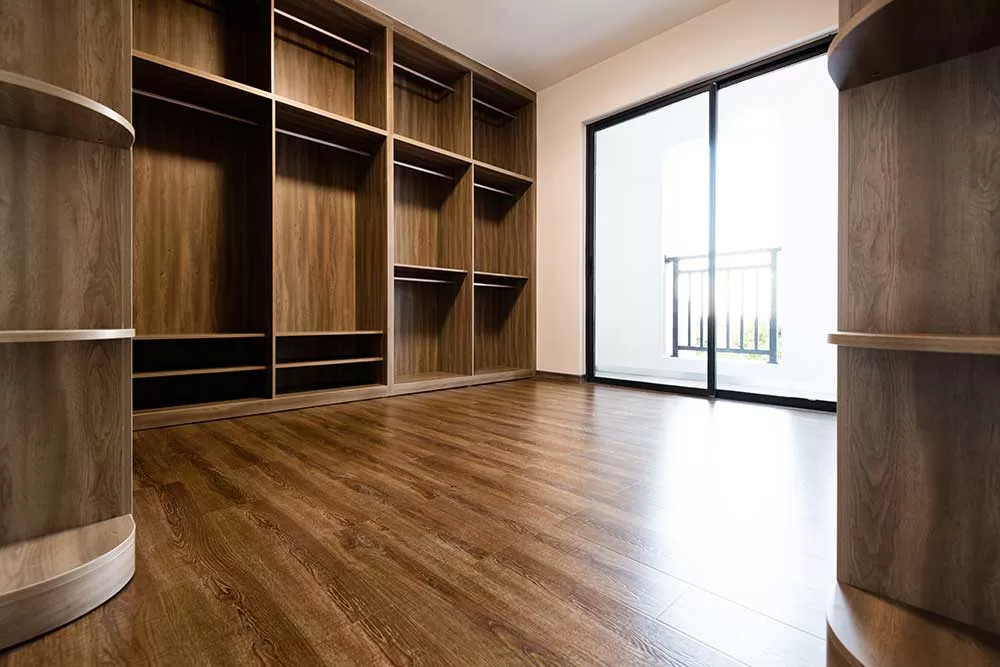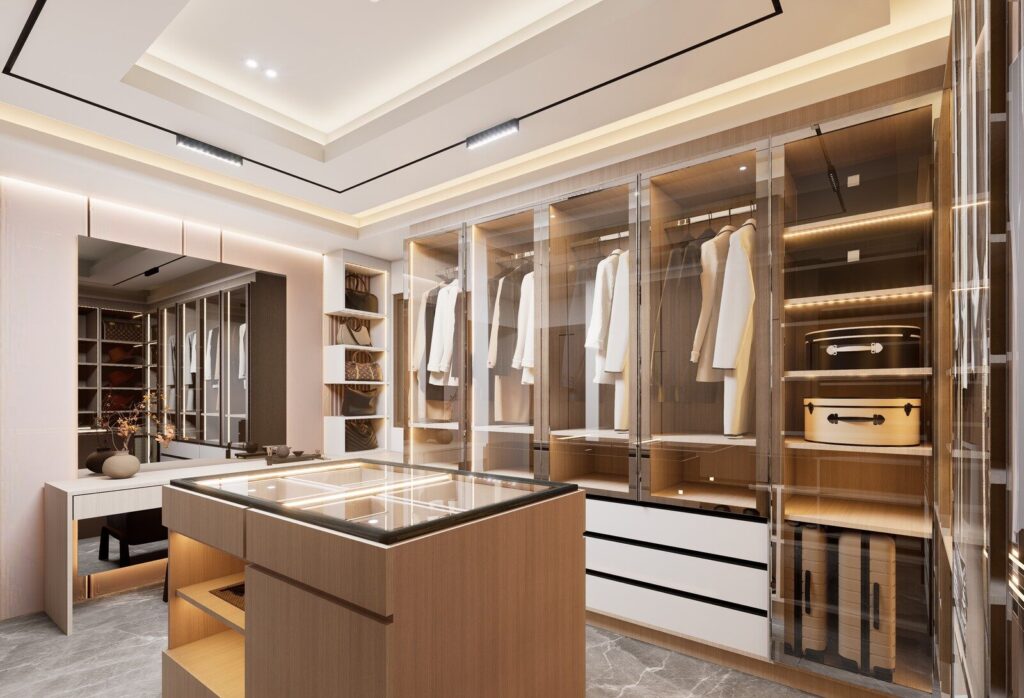
A well-organized closet should make daily routines easier, not more complicated. When everything has a place and is easy to access, getting dressed is faster and the space feels more intentional.
The challenge is that many closets don’t stay organized. Even after a full clean-out, clutter often returns. In most cases, the issue isn’t effort, it’s that the space wasn’t designed to support long-term use.
This guide focuses on creating a closet system that works consistently, not just temporarily.
Why Most Closets Stop Working Over Time
Closets usually become disorganized gradually. Shelves get overcrowded, hanging space tightens, and items without a clear place start to pile up.
Quick fixes like bins or dividers can help short-term, but they don’t solve layout issues. Without defined zones, everything competes for the same space, making organization difficult to maintain.
Standard storage systems can also fall short. Because they aren’t designed for your specific space, they often leave gaps or create inefficiencies that lead to clutter over time.
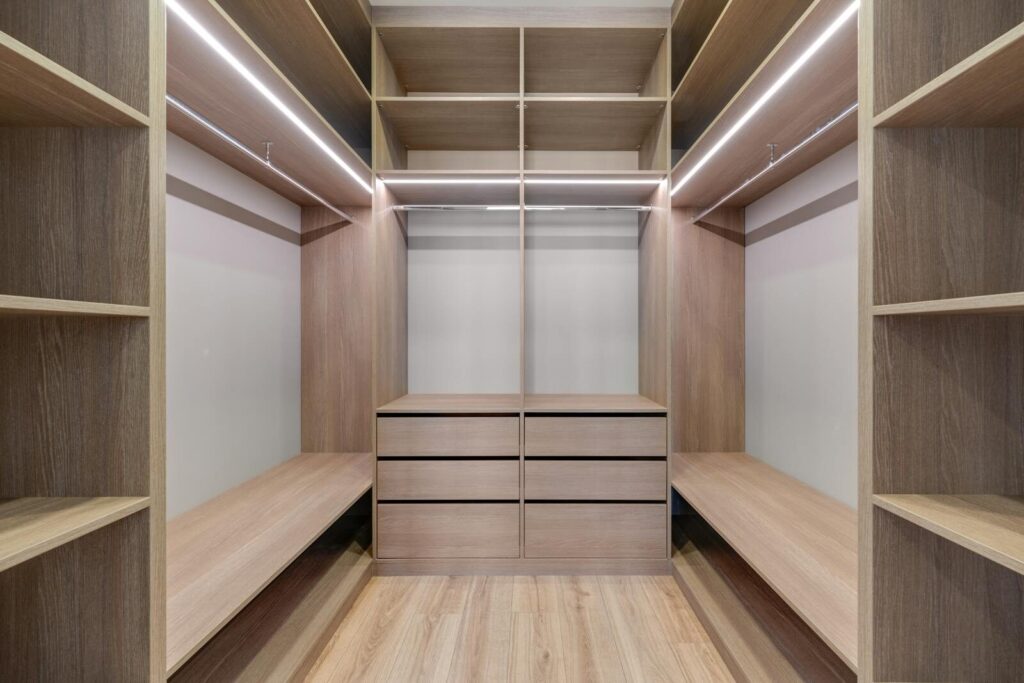
What a High-Functioning Closet Actually Looks Like
A high-functioning closet is built around how you use it. Everyday items are easy to reach, while seasonal pieces are stored separately.
Visibility is key. When everything is easy to see, it’s easier to use and maintain.
The most effective closets also balance hanging space, shelving, and drawers. Each type of storage serves a purpose, and together they create a system that feels natural to use.
How to Declutter and Reset Your Closet
Start by sorting everything into three categories: keep, store, and remove. Focus on what you actually wear and use regularly.
Be realistic during this process. Holding onto unused items is one of the main reasons clutter returns.
Decluttering is also an opportunity to reset your space with intention, not just clear it out.
Creating a Layout That Works Long-Term
After decluttering, layout becomes the priority. Group items by category and frequency so your most-used clothing is the most accessible.
Make use of vertical space with double hanging sections or full-height shelving to increase capacity.
It’s equally important to eliminate hard-to-use areas. Awkward shelves or deep corners often become clutter zones if they aren’t designed properly.
Small Upgrades That Improve Daily Function
Once your layout is set, small features can make a big difference. Drawer organizers keep smaller items contained, while dedicated shoe storage improves visibility and keeps floors clear.
Good lighting makes the space easier to use, and quality hardware improves durability over time. These details help your closet function smoothly every day.
Maintaining an Organized Closet
A simple routine goes a long way. A quick weekly reset can prevent clutter from building up, while seasonal check-ins help keep your closet aligned with what you’re using.
Rotating clothing throughout the year also helps reduce overcrowding and keeps your main space focused and functional.

When Organization Alone Isn’t Enough
If your closet still feels difficult to manage, the issue may be the structure itself. Standard layouts don’t always support how you use your space.
A custom closet is designed around your needs, making better use of space and creating a system that’s easier to maintain. It also offers improved durability and a more seamless, built-in appearance.
Conclusion: Creating a Closet That Stays Organized
A high-functioning closet comes down to structure, not just effort.
With the right layout, clear organization, and simple habits, your closet can stay functional over time. For homeowners looking for a long-term solution, a well-designed system can eliminate many of the challenges that lead to clutter.
If your current closet isn’t working the way it should, it may be time for a more permanent solution. Book a design consultation with Designer Closet Guys to create a custom closet tailored to your space and routine.
Frequently Asked Questions About Closet Organization
What is the first step to organizing a closet properly?
The first step is understanding how you use your closet. Before buying organizers or rearranging items, assess what you wear most often and how much space different categories require. This helps you create a layout that actually supports your routine instead of working against it.
How do you organize a closet if you have too many clothes?
Start by reducing volume through decluttering, then focus on maximizing space. Use double hanging sections, shelves for folded items, and designated areas for accessories. If space is still limited, it may indicate the need for a more efficient layout rather than simply adding more storage.
Is it better to hang or fold clothes in a closet?
It depends on the item. Everyday clothing like shirts, jackets, and dresses are typically best hung to keep them accessible and wrinkle-free. Bulkier items like sweaters are better folded to maintain their shape. A well-designed closet uses a combination of both.
How do you keep a closet from getting messy again?
The key is having a system that’s easy to maintain. When items have clearly defined spaces and are easy to access, it becomes much simpler to put them back after use. Consistency in small habits, like quick resets, prevents clutter from building up.
How much space should be left in a closet?
A closet works best when it isn’t filled to capacity. Leaving some open space makes it easier to access items, maintain organization, and adapt as your wardrobe changes. Overfilling is one of the main causes of clutter returning.